
Fall Is Here, Don’t waste time: Prepare Your Soil with Biochar Now for a Thriving Spring
Fall is here, and now is the perfect time to prepare your soil with biochar before winter arrives. As temperatures cool, plant growth slows and soil microorganisms become less active. But your soil is far from “off” for the season. Fall moisture can keep biological activity going while the soil is still relatively warm, making this an excellent time for fall soil preparation. Gardeners and farmers can use autumn to start rebuilding soil health, adding organic matter, and incorporating biochar into the soil before winter.
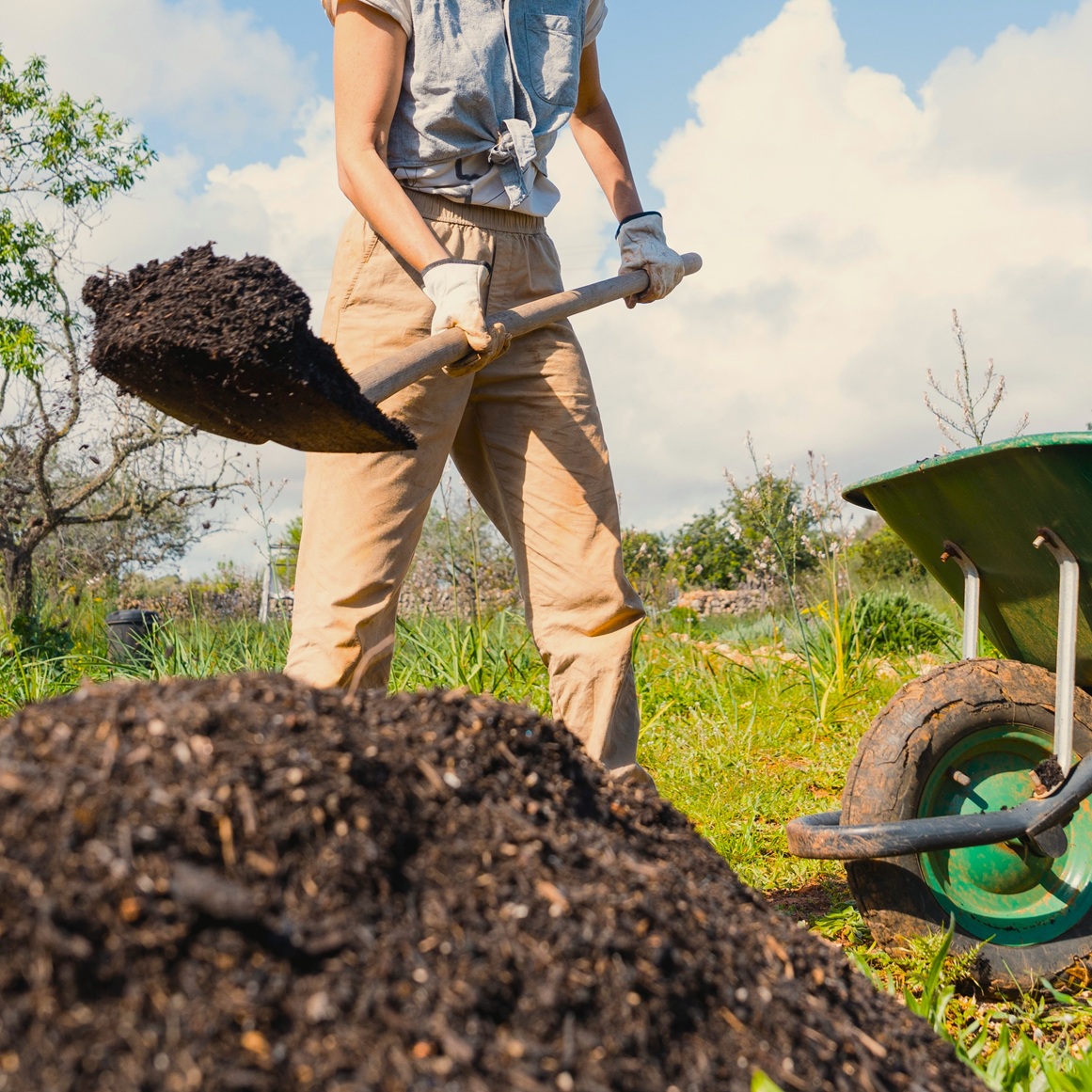
An efficient soil system before spring.
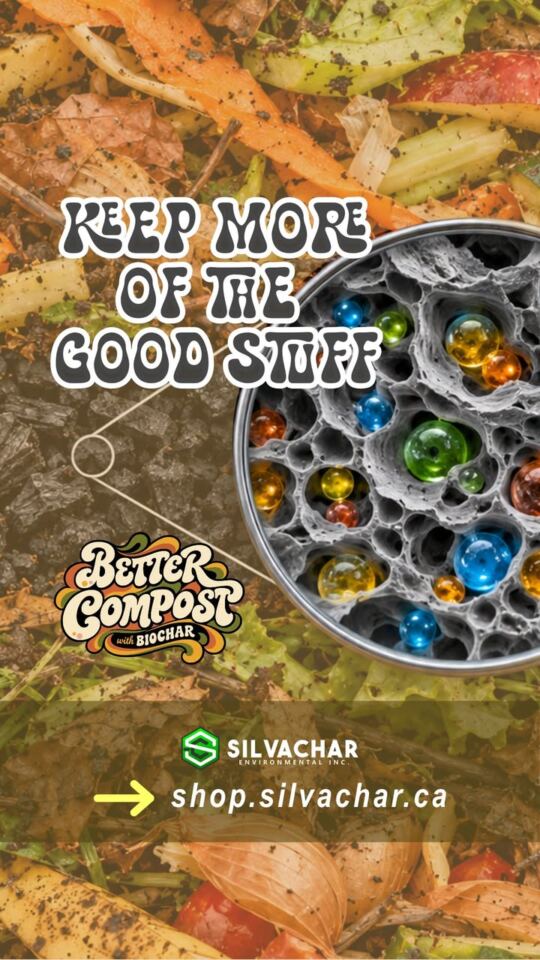
Biochar’s porous structure can retain water and nutrients creating habitat for beneficial soil microorganisms. For depleted garden beds, raised beds, fields, orchards, and landscaping areas, fall is an opportunity to incorporate biochar with compost, manure, or fertilizer and allow those materials to interact over the colder months. Think of it as preparing the home before next year’s plants move in.
Fall is also one of the best times to compost with biochar.
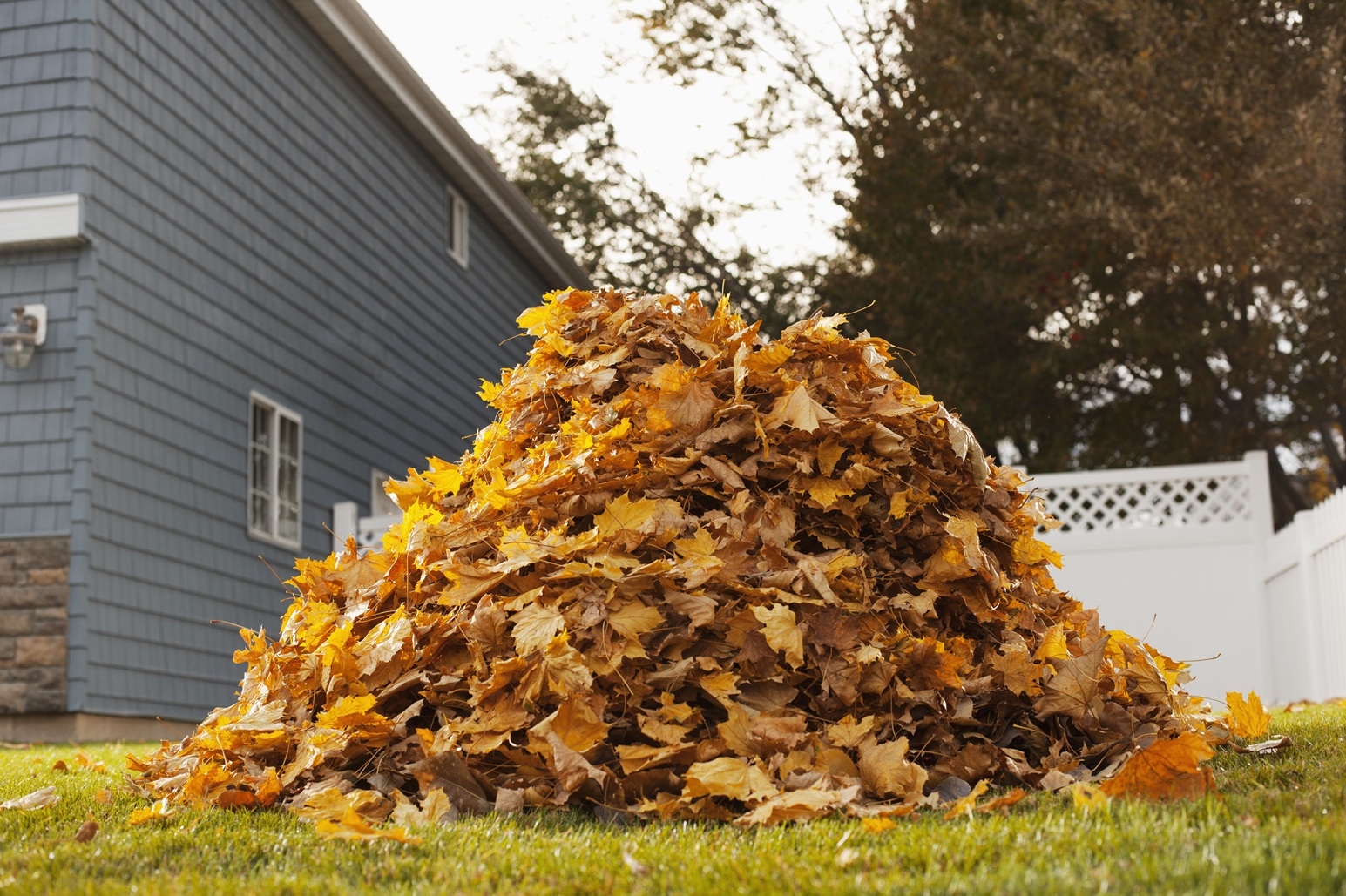
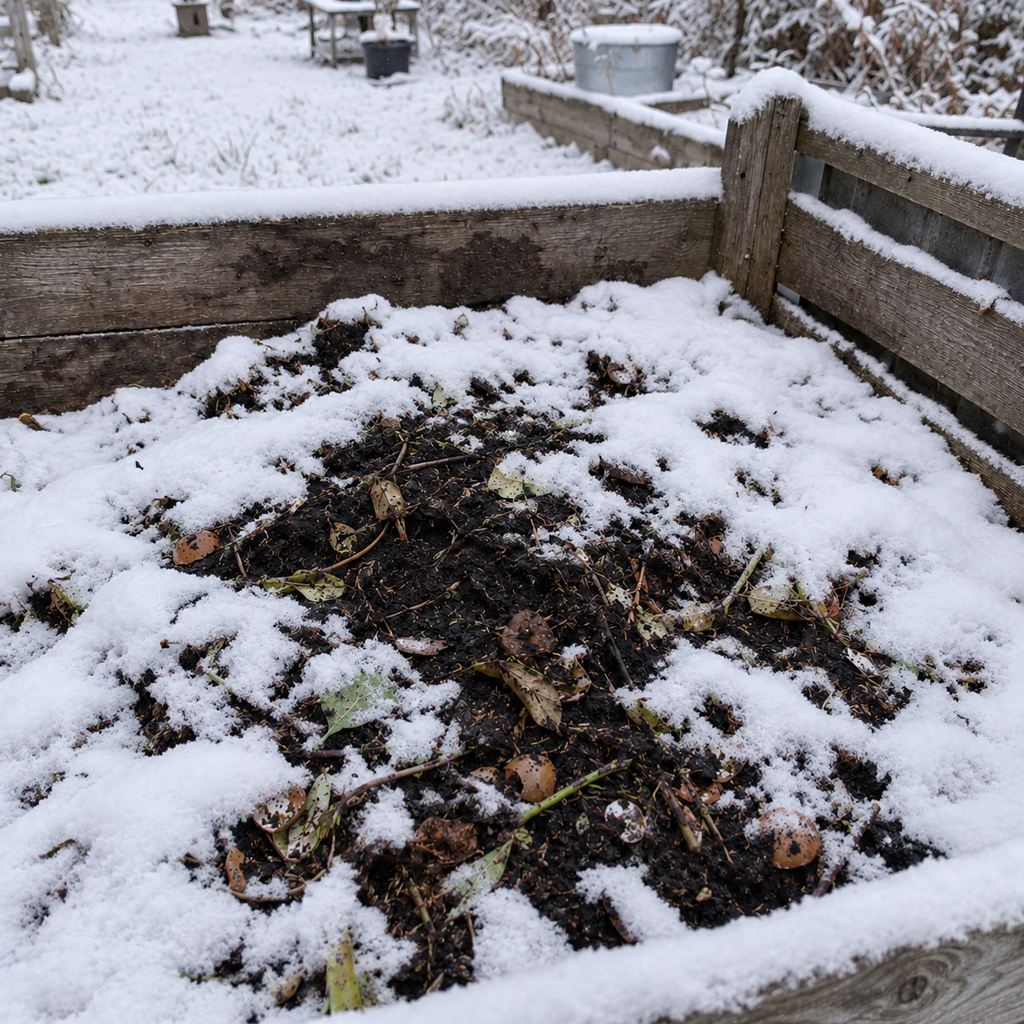
Gardens provide leaves, grass, plant material, kitchen scraps, manure, and other organic materials that can be turned into valuable compost. Adding biochar to every layer of your compost pile gives beneficial microorganisms a porous surface to live on, while helping retain nutrients and manage moisture. As temperature drops, decomposition naturally slows, but it does not necessarily stop. A properly sized, protected compost pile can continue working during winter, slowly building material that can be ready to feed your soil when warmer weather returns.
Winter becomes part of your soil-building strategy.
Biochar can be mixed with compost or manure before application (a process often called “charging” or “inoculating” biochar) or incorporated into the soil with nutrient-rich organic material. Through fall and winter, moisture moves through the soil, organic materials continue to break down when conditions allow, and your amendment has time to settle into the soil profile. When you prepare your soil with biochar before winter, you give it time to interact with moisture, compost, manure, and nutrients before spring planting. When spring finally arrives, you are not starting from zero, you have already spent months preparing the foundation beneath your plants.
How Farmers and Livestock Owners Can Benefit from Biochar
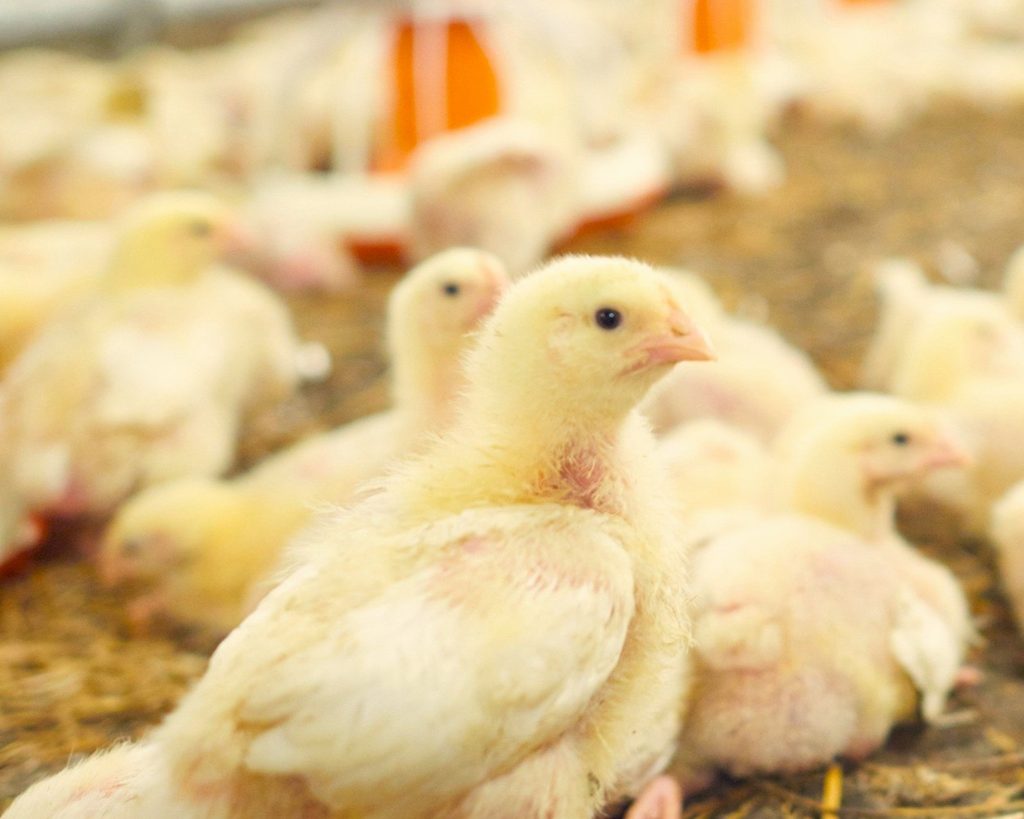
Manure management, wet bedding, nutrient loss, and unpleasant smells around livestock areas and chicken operations can become challenging as wetter weather arrives. Research has shown that, in certain manure and poultry-compost systems, biochar can help manage moisture and reduce some ammonia and odor-causing emissions while retaining valuable nutrients. Those materials can later become part of a composting system instead of simply becoming waste, turning one farm challenge into an opportunity to build better soil.
Spring Success Starts This Fall!
Whether you are putting your garden to bed, managing a farm, building a compost pile, or preparing next year’s growing areas, fall is the perfect time to think about BIOCHAR, compost, soil health, water retention, and nutrient management. Use the colder months to let nature work with you, so when spring arrives, your soil is ready to come back to life.
Keep a few buckets nearby and sprinkle biochar throughout your compost pile this fall, or mix it into your soil with fertilizer, compost or manure. For 200 ft² / 20 m² of soil the best ratio is 1 Biochar Bucket to 9 buckets of compost/manure (use the same Biochar bucket as measurement) and add it to the soil no deeper than 6 inches. Liquid fertilizer ratio is 1:1. Over the winter, it will have time to become enriched with nutrients and microbial life, helping you create a stronger, healthier compost that is ready to support your plants and produce next spring.
Ready to prepare your soil with biochar this fall? Start now to prepare your soil with biochar and give your garden or farm a stronger foundation for next spring.
A great deal!
Visit our store here and prepare your soil with Biochar, including free shipping and a great fall discount.
Learn more about Biochar on this International Biochar Initiative article.