Retains Water
Its porous structure helps moisture remain available in the root zone, especially in fast-draining garden soils and raised beds.
More resilience between watering cycles.

Biochar for gardens adds a stable, porous carbon structure to the root zone. When it is charged with compost or another appropriate nutrient source, it helps garden soil retain water and nutrients while creating long-lasting habitat for beneficial microbial activity.
Use the right grade, prepare it properly, and let Biochar become part of a healthier soil system for vegetables, flowers, raised beds, lawns, trees and small growing operations.
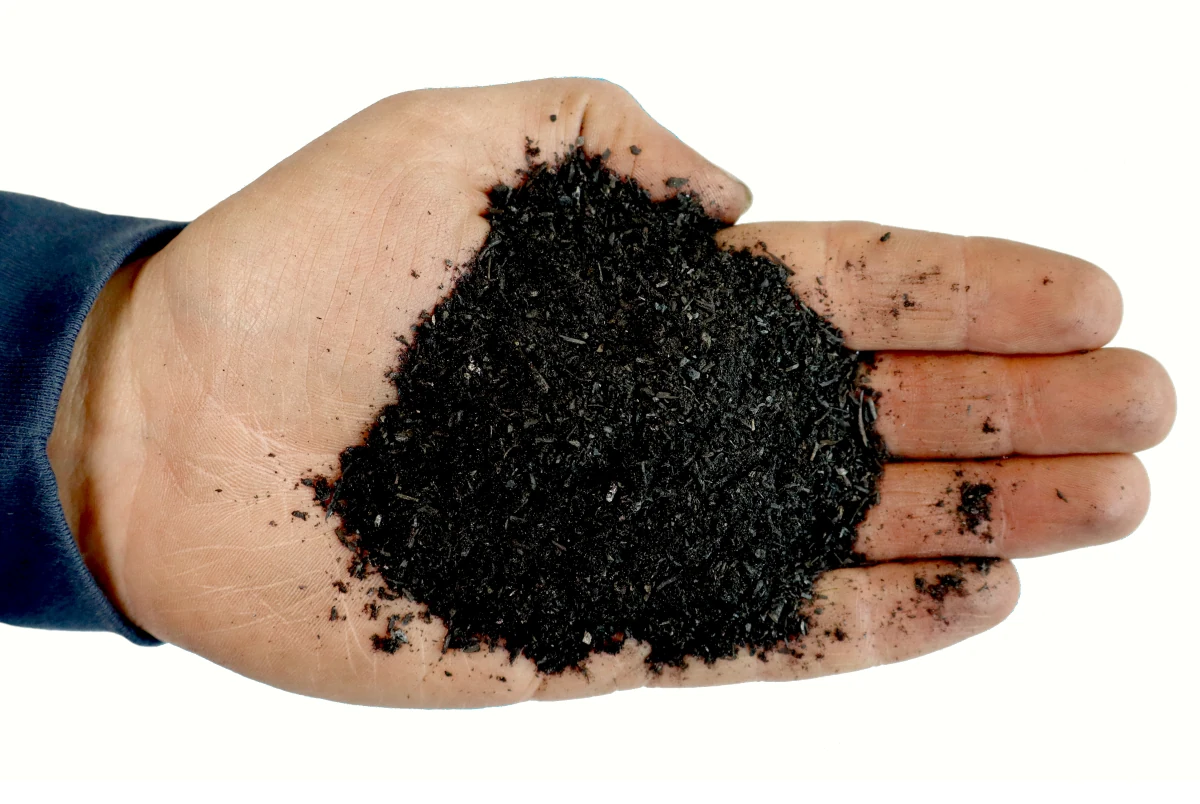
Garden soil is a living system. Roots, organic matter, minerals, water, air and microorganisms continually interact. Biochar becomes a durable part of that system rather than a short-lived seasonal input.
Its porous structure creates surfaces and microsites that hold moisture, interact with nutrients and provide protected spaces for soil organisms. Biochar is not a fertilizer by itself, so it performs best when it is charged or inoculated with compost, properly managed manure, worm castings, compost tea or prepared fertilizer before direct soil application.
Think of compost as food and Biochar as long-lasting habitat. Together, they help build garden soil that is easier to keep moist, nourished and biologically active.
Biochar works through connected soil processes rather than one single effect. Results depend on the starting soil, Biochar properties, application rate, moisture, nutrients and garden management.
Its porous structure helps moisture remain available in the root zone, especially in fast-draining garden soils and raised beds.
More resilience between watering cycles.Charged Biochar helps hold nutrients in the growing area, reducing the opportunity for valuable inputs to leach beyond plant roots.
Keeps compost and fertilizer working where plants need them.Pores and carbon surfaces create long-lasting habitat where beneficial microorganisms interact with moisture, nutrients and roots.
Supports nutrient cycling and active garden soil.Biochar remains stable for hundreds of years and becomes part of the soil's physical framework instead of disappearing after one season.
A durable foundation for continued soil improvement.Biochar is useful wherever gardeners need to improve the way soil manages water, nutrients, organic amendments and microbial life. Start with the soil you have and choose the application that matches it.
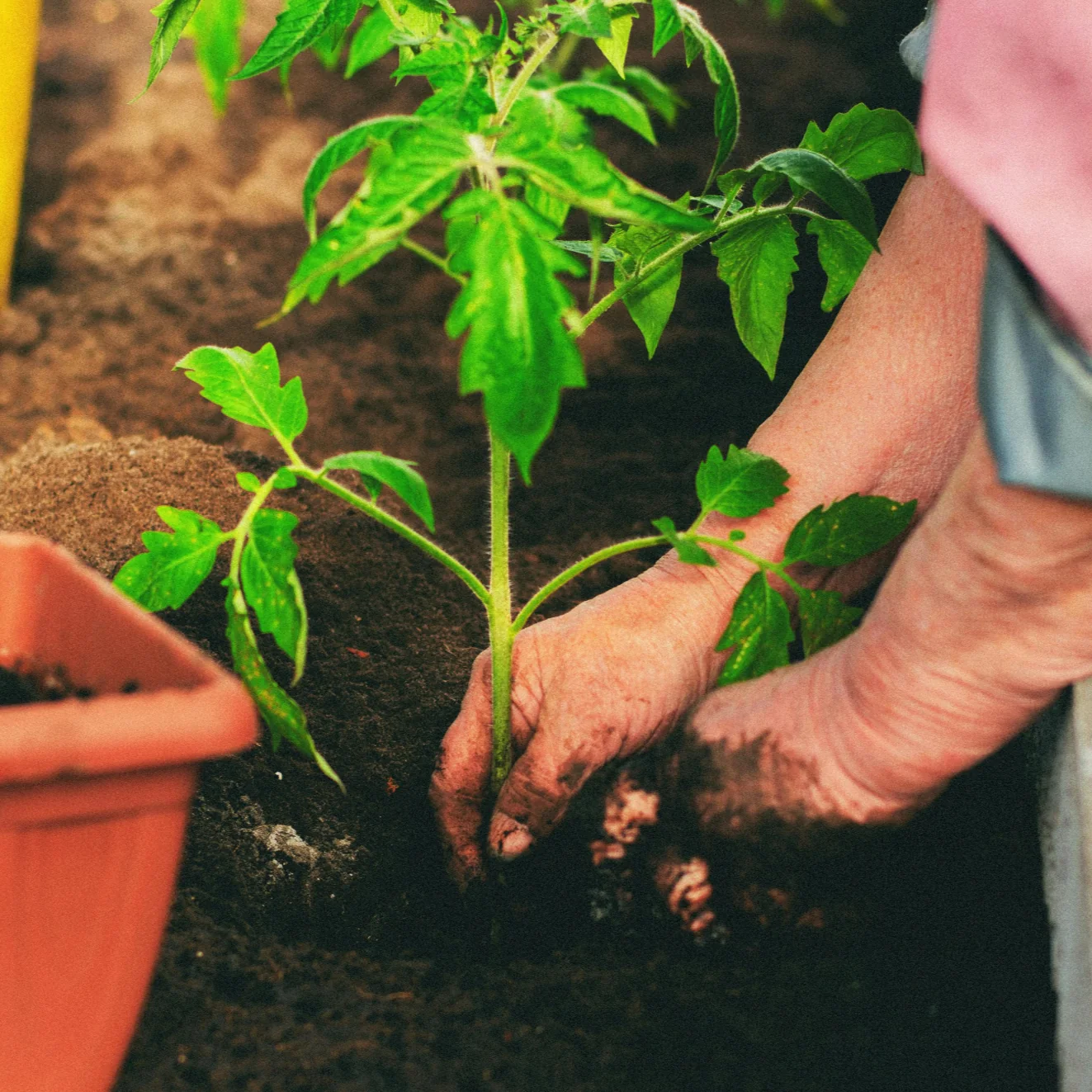 01 / Raised beds
Blend charged Biochar with compost before filling new beds, or incorporate the mixture gently into the upper root zone of established beds. It works with vegetables, herbs, berries and flowering plants.
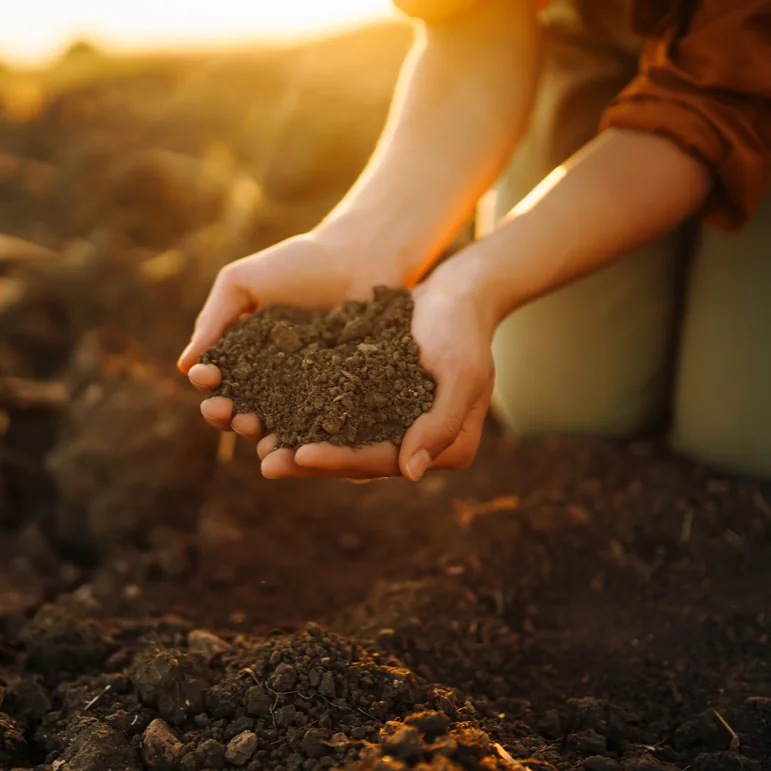 02 / Tired soil
Biochar helps fast-draining soils retain more moisture and nutrients. Combine it with compost or another suitable organic amendment so the soil receives both habitat and nourishment.
 03 / Long-term care
Use charged Biochar around trees, shrubs, perennial beds and landscape plantings without damaging established roots. Its stable carbon structure continues working beyond a single growing season.
Charging—also called inoculating—allows moisture, nutrients and microorganisms to interact with Biochar before it enters the root zone. It is the simplest way to make Biochar part of a complete garden-soil system.
Mix Biochar with finished compost, properly managed manure or worm castings and keep the mixture evenly moist.
Let the mix rest for at least 2–3 weeks.
Longer contact is beneficial when time allows. A full fall and winter in moist compost is an excellent way to prepare Biochar for spring planting.
Use compost tea or fertilizer that has been prepared and diluted according to its label.
Soak approximately 24–48 hours.
Apply the charged Biochar around the root zone or mix it into soil with compost. Never use undiluted fertilizer concentrate unless its manufacturer permits it.
Already composting? Add thin, even layers of Biochar as you build the pile. The composting process will charge the Biochar while organic material breaks down. Read the complete Biochar for Compost guide →
For home gardens, Silvachar recommends starting with approximately 5–10% Biochar by soil volume. The right amount varies with soil texture, project depth and growing system, so use the calculator for a project-specific estimate.
Open the Biochar CalculatorFor sandy soils, lawns and surface or top-dress applications, choose Fine Biochar because its smaller particles distribute evenly through shallow soil layers. For dense clay soils, choose a coarser grade that blends more easily and adds a wider range of pore spaces without introducing too many fine particles.
Combine Biochar with compost, castings, managed manure, compost tea or prepared fertilizer before direct soil application. Allow it to charge for a minimum of two weeks; a longer charging period is even better when time allows.
Mix charged Biochar evenly with soil and organic matter. Avoid isolated, thick layers and avoid leaving fine, dry Biochar exposed to wind.
For growing plants, place a modest amount of the charged mixture beside the root zone and incorporate it gently without disturbing roots.
Keep the soil appropriately moist and continue normal compost, mulch and fertility practices. Biochar complements good garden management; it does not replace it.
Unsure about volume? Enter your bed dimensions, planting depth and soil type to estimate the appropriate product and amount.
Calculate Your ProjectFor even blending in garden soil, lawns, sandy soils, containers and applications where consistent distribution matters.
Shop Fine Biochar →A versatile grade for raised beds, compost piles, new garden preparation and general soil improvement.
Shop All-Purpose Biochar →For landscapers, market gardens, larger raised-bed projects, nurseries and coordinated soil-improvement programs.
Request a Project Quote →Biochar works alongside diverse growing approaches because it is a stable carbon soil amendment rather than a synthetic pesticide or quick-release fertilizer. Use clean Biochar and compatible charging materials, and follow any certification rules that apply to your operation.
Supports closed-loop use of compost, mulch, perennial plantings and locally sourced organic materials.
Charged Biochar will work with worm castings and vermicompost when introduced moist and in modest, well-distributed amounts.
Complements practices focused on living roots, soil cover, nutrient cycling, reduced losses and long-term soil function.
Works with compost and organic amendments; certified growers should confirm that every input meets their applicable standard.
Turns clean forest residuals into durable value while helping gardeners make better use of water, nutrients and organic materials.
Charge Biochar while composting, then return that biologically active mixture to beds, trees, shrubs and growing areas. It is one of the simplest circular ways to connect organic waste management with long-term soil improvement.
Tell us what you are growing, restoring, filtering, or planning. Our Salmon Arm team will help you find the right Biochar solution and amount for your project.