
3 Powerful Benefits of Composting with Biochar for Better Soil
September is the perfect time to put garden waste, crop residues, leaves, grass clippings, manure and other organic materials to work. Whether you manage a large compost pile on a farm, a backyard compost box, raised garden beds or a few flower beds, adding Biochar during the compost process can help create a more valuable soil amendment for the following season. Instead of waiting until spring to add Biochar directly to the soil to interact with moisture, nutrients, organic matter and microorganisms while the compost develops.
For a complete guide to using biochar for compost, including application methods and practical tips, visit our Biochar for Compost guide.
Benefit 1: Biochar Creates a Home for Microbial Life
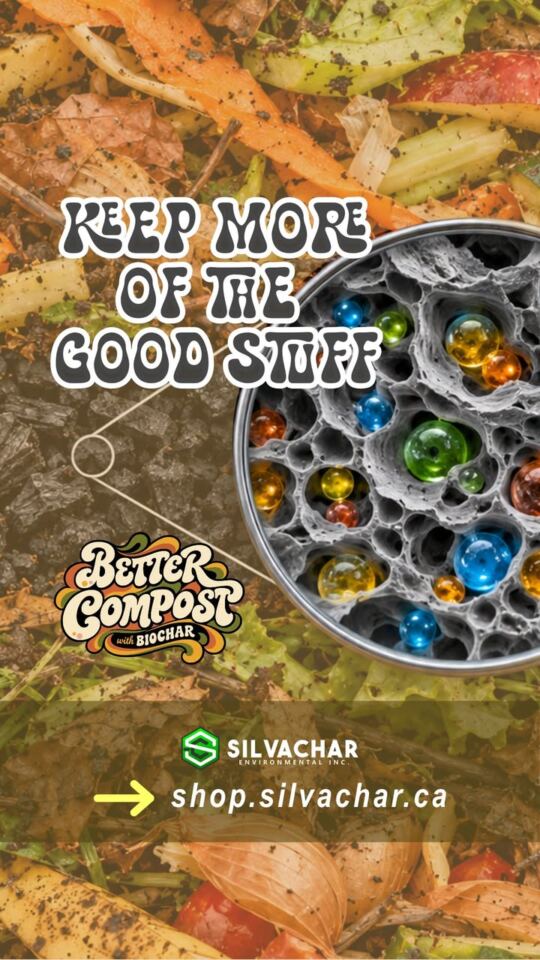
A healthy compost pile is a living biological system. Bacteria, fungi and other microorganisms break down organic material and transform it into stable, nutrient-rich compost. Biochar’s highly porous structure provides an enormous internal surface where microorganisms can thrive. Those pores can also retain moisture and nutrients, creating a favorable environment for microbial activity. Biochar can influence microbial communities, improve aeration and support the breaking down of organic matter and producing mature compost.
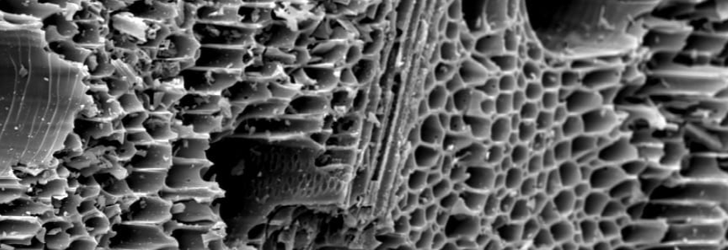
Biochar structure under Microscope. These pores will lock nutrients and water within the compost pile.
Benefit 2: Think of Biochar as a Nutrient Reservoir
One of the biggest challenges is keeping valuable nutrients in the system long enough for your plants to eventually use them. Biochar can help retain some of these nutrients on its porous surfaces, making them less susceptible to being lost through leaching. Research from Cornell University and the USDA has demonstrated Biochar’s potential to improve nitrogen retention and reduce the movement of nutrients such as nitrate, phosphorus and potassium under certain conditions. Rather than “locking everything up,” think of it as a nutrient reservoir that helps keep more fertility within the compost-and-soil system.
From Backyard Compost Boxes to Farms
This process can work at almost any scale. Home gardeners can mix Biochar into compost made from kitchen scraps, leaves and yard waste. Raised-bed gardeners can prepare Biochar-enriched compost for vegetables and flowers. Small farms can incorporate it into compost piles containing manure, crop residues and other organic material, while larger farms can explore compost as part of their soil and nutrient-management programs.
Benefit 3: Charged Biochar will enhance your Soil
Once this Biochar-compost mix is added to the soil, it brings organic matter, nutrients, moisture-holding capacity, and microbial life together in one amendment. The compost provides readily available nutrition, while the Biochar helps hold moisture and nutrients in the root zone and gives microbes a porous place to live. Together, they can help improve soil structure, reduce nutrient losses, and create better growing conditions for plant roots.
Smart Compost Process Starts Now
Instead of allowing this season’s organic material, and some of the nutrients inside it, to go to waste, turn it into a resource for next season. Add Silvachar as you build your compost pile and allow the process to fill its porous structure with moisture, nutrients, organic compounds and microbial life. Over the fall and winter, your compost can develop into a biologically active soil amendment ready for farms, vegetable gardens, raised beds, lawns and flower beds.
Adding SilvaChar to your pile will keep nutrients, supporting biology, and reducing nutrient losses.
Final Takeaway
Your pile is full of valuable organic matter, nutrients, moisture, and microbes. Adding Silvachar helps you keep more of those nutrients in the system, support microbial activity, and build a richer compost that can keep working for your soil long after application.
Visit OUR STORE to get Silvachar for your piles, garden beds, and soil projects.
Get your discount and enjoy FREE SHIPPING within Canada.